Project-Based Learning at HTH
These projects are examples of the work that is done at all of the High Tech High Schools. It is our record of what we have done and how to get there. Teachers can utilize this to display what they have done with their students, and get ideas from others teachers. Students can show their parents and friends the work that they have done, and the community can see how project based learning enables students to do and learn. Please enjoy the projects and videos.
Browse Projects
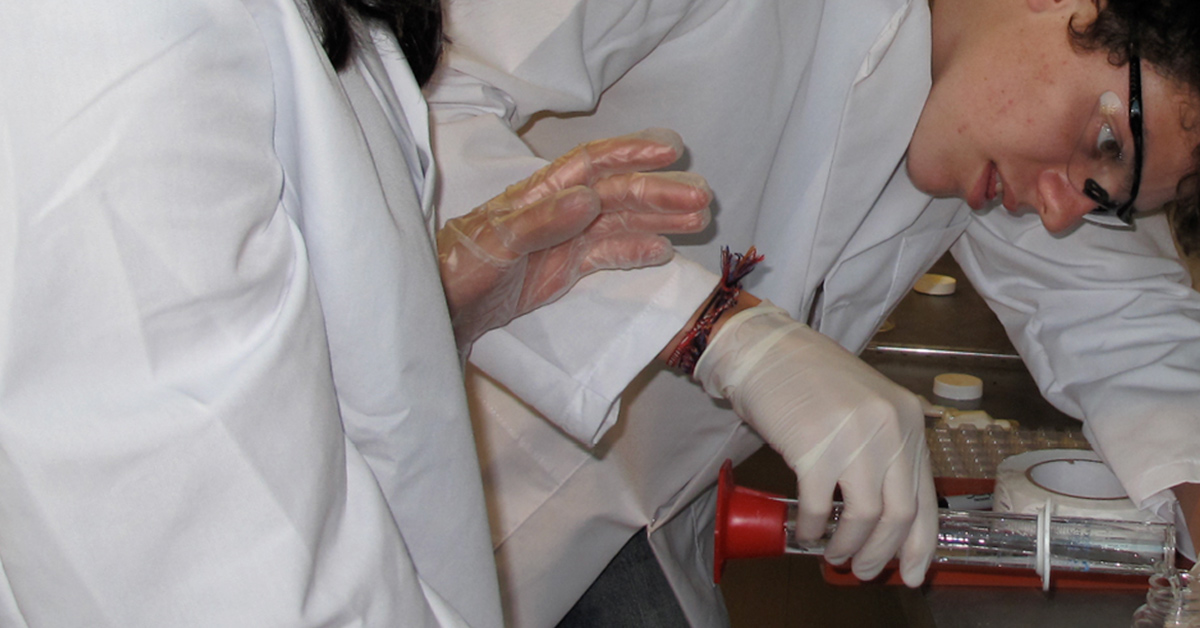
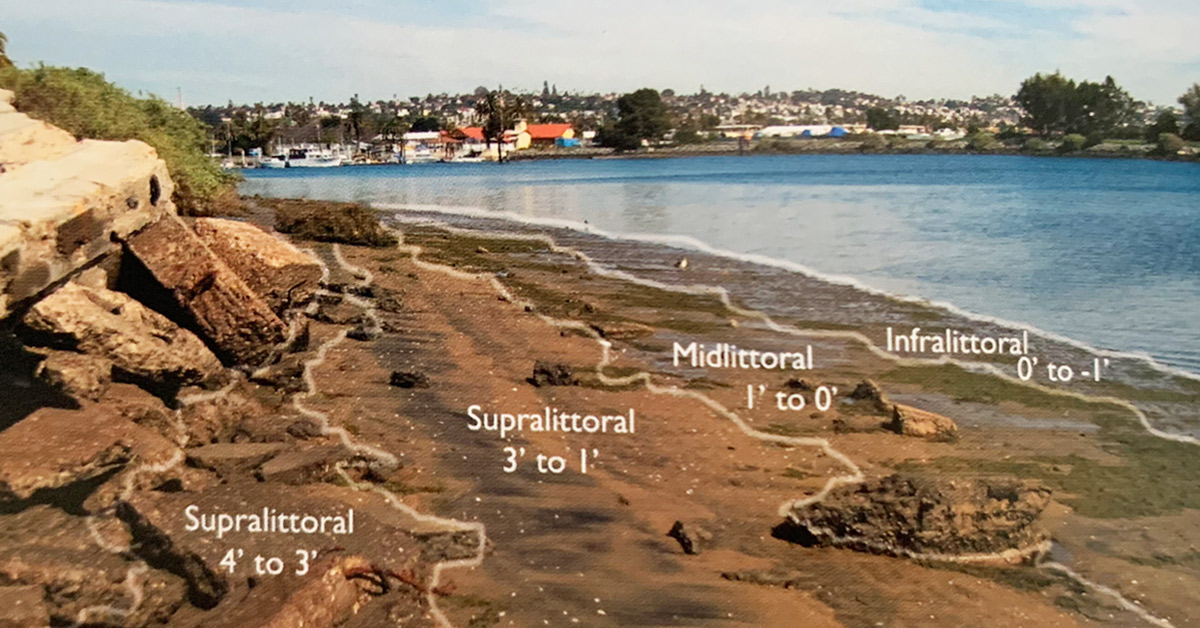
Students decided to test the quality of San Diego’s coastal waters and produce media in multiple formats to inform the public about what they discovered.
Students wrote pieces of poetry and conducted interviews to be included in different field guides about the San Diego bay.
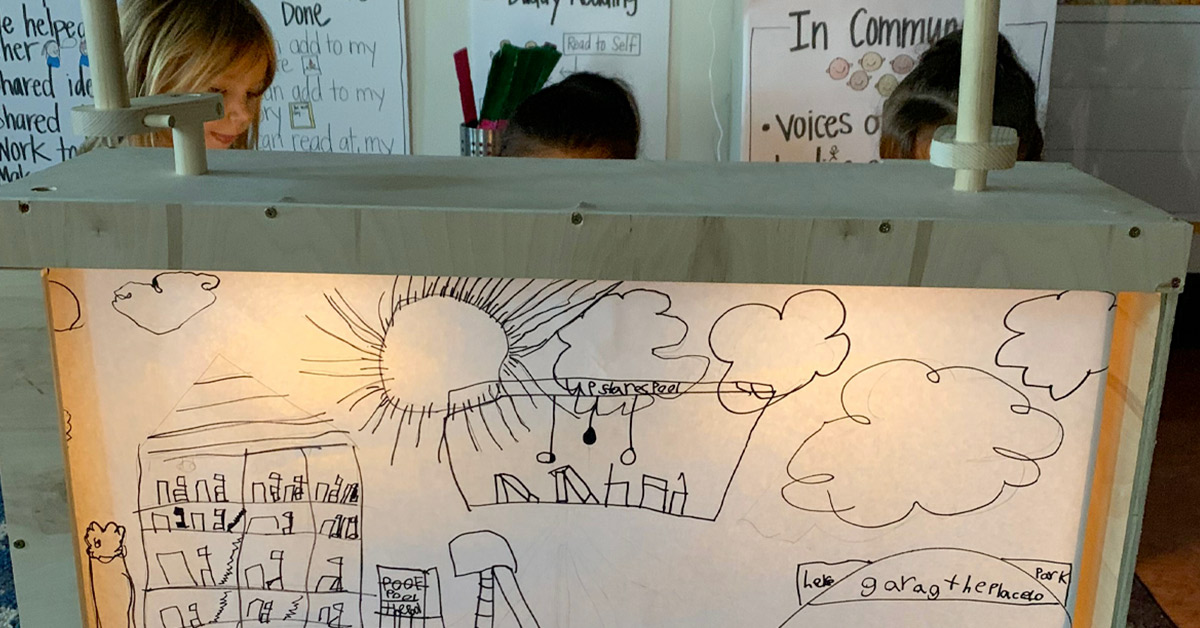
Students learned about properties of light and the effect it has on certain materials via experiments before writing shadow puppet plays.
Students made their own kinetic sculptures inspired by artist Rubin Margolin, who makes wave generating machines.
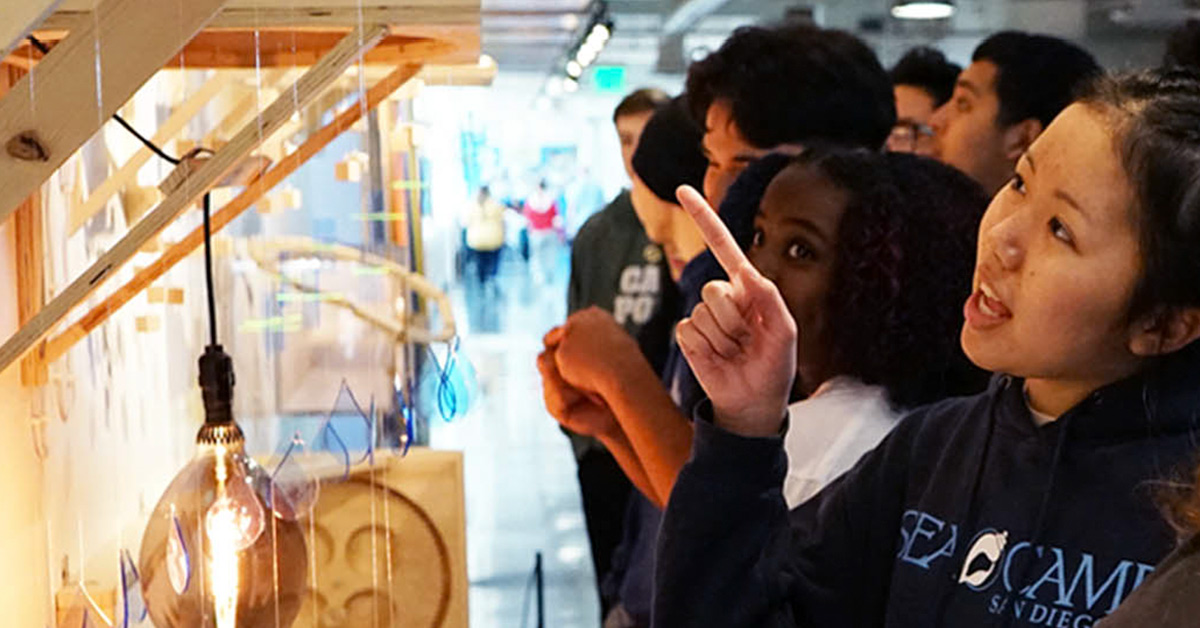
Students melded art, physics, math, and elements of design and engineering to build a rolling ball structure called Kinetic Coasters.
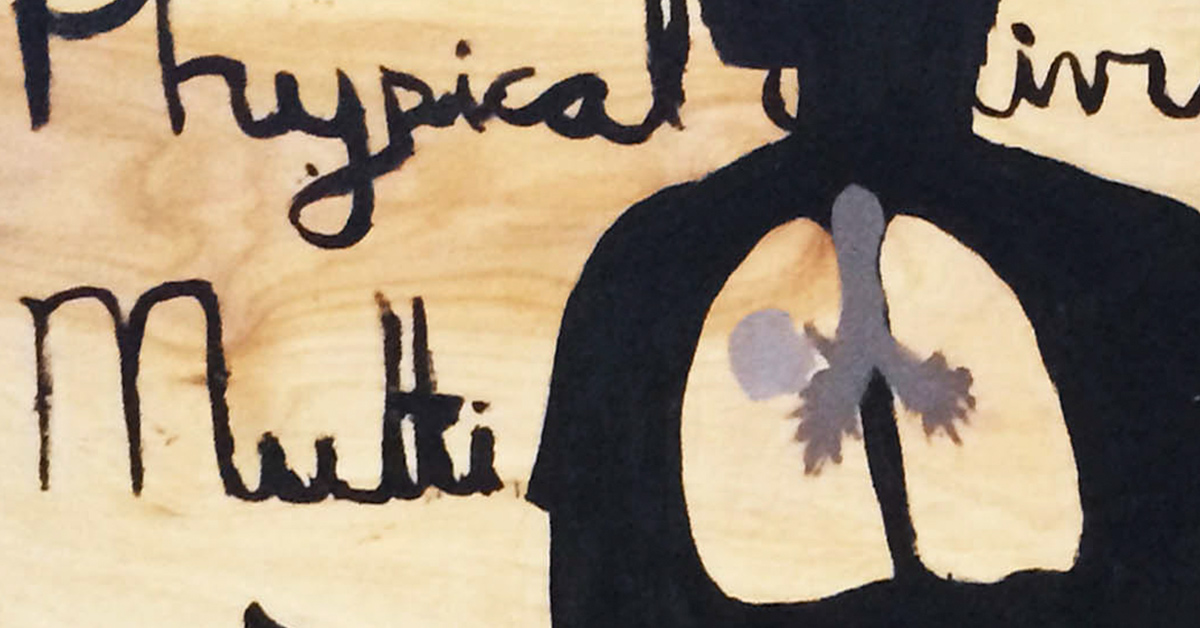
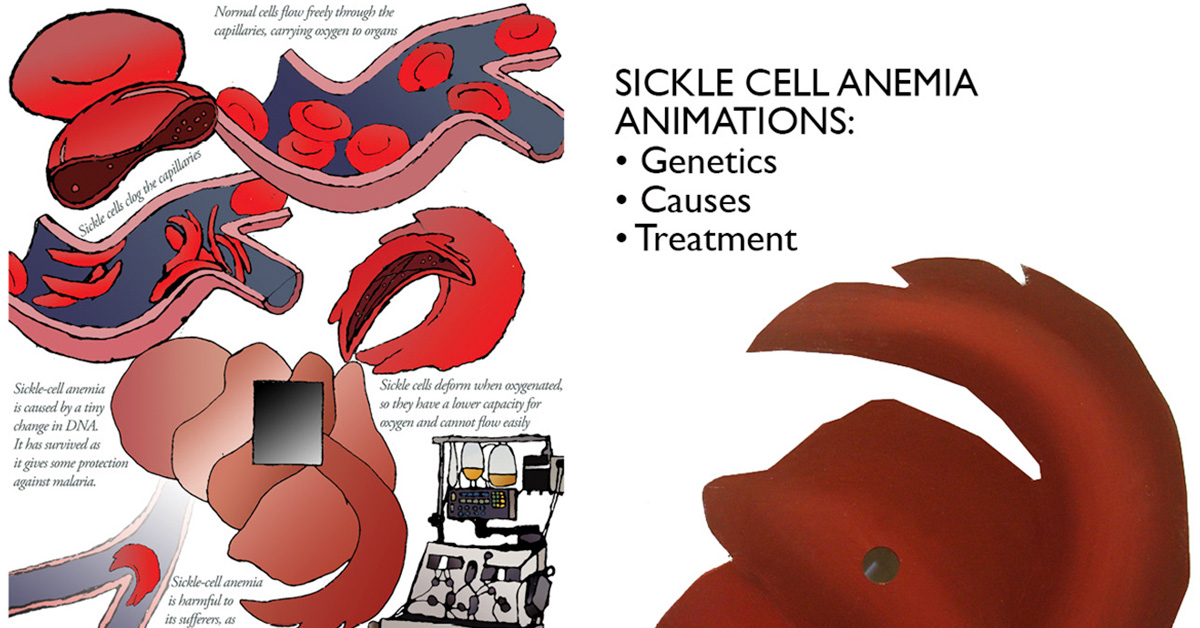
Through interviews with family members, scientists, and medical professionals, students homed in answers to the question, “What am I most likely to die of?”
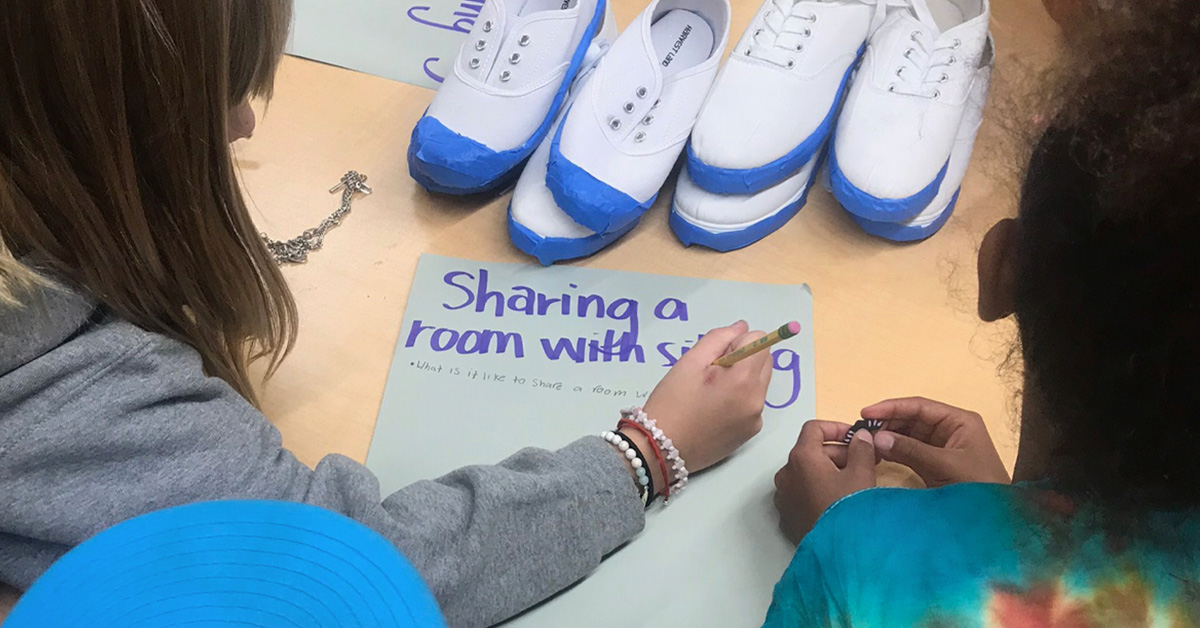
Students learned about shoe design before creating their own in order to explore them as a point for a study of identity and diversity.
Students worked to created a mural in memory of a student that passed away, Sean Fuchs.
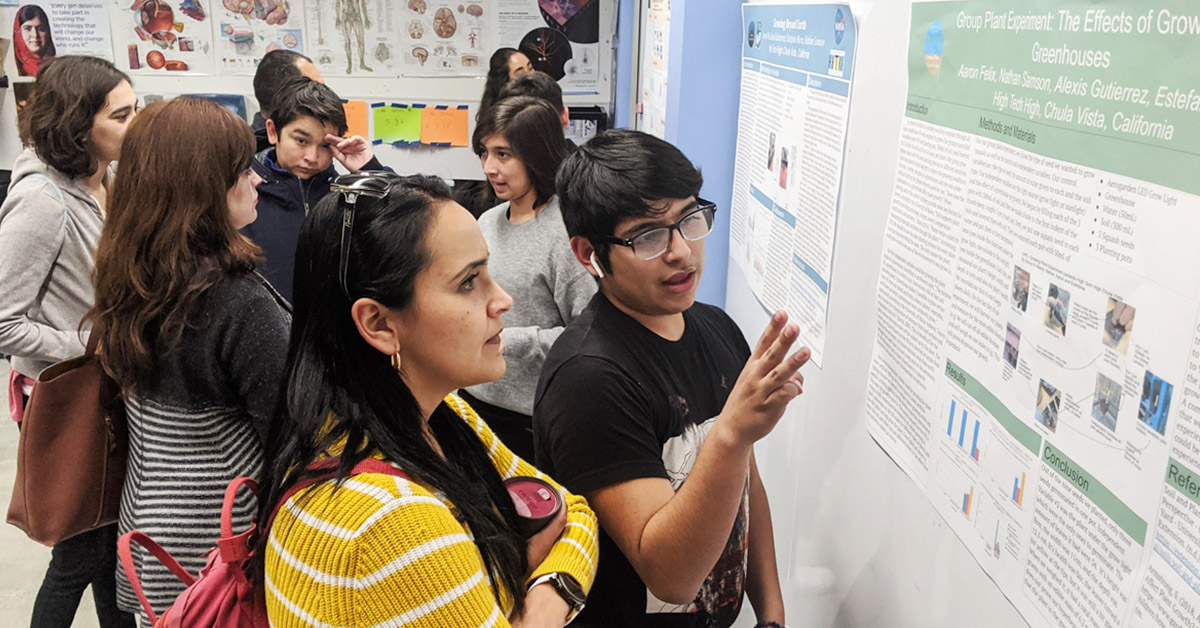
Students learned biology concepts and scientific methods through a real world challenge — growing food with no natural light, no gravity, and hardly any space.
Browse Projects
Students learned about shoe design before creating their own in order to explore them as a point for a study of identity and diversity.
This project allowed students to explore methods of data collection, analysis, and research into public health at a local and global level
Each student chose an animal to study closely. To record what they’ve learned, they drew models.
Students learned biology concepts and scientific methods through a real world challenge — growing food with no natural light, no gravity, and hardly any space.
It was not your typical treasure map, but the students were excited nonetheless.
Why is it important to live in harmony with native species?
Students interviewed younger children and parents in a school next to military housing in order to create a “story cushion” — a pillow with voice recorded chips so children could listen to their parent’s voice whenever they wanted.
How can students design an engaging and interactive activity for the Natural History Museum that children will find both fun and educational?