Project-Based Learning at HTH
These projects are examples of the work that is done at all of the High Tech High Schools. It is our record of what we have done and how to get there. Teachers can utilize this to display what they have done with their students, and get ideas from others teachers. Students can show their parents and friends the work that they have done, and the community can see how project based learning enables students to do and learn. Please enjoy the projects and videos.
Browse Projects
Tenth grade students created podcasts related to California state ballot propositions.
First grade students learned about rainforests, ecosystems, agriculture, history, the economics of trade, and cooking by studying the history of chocolate.
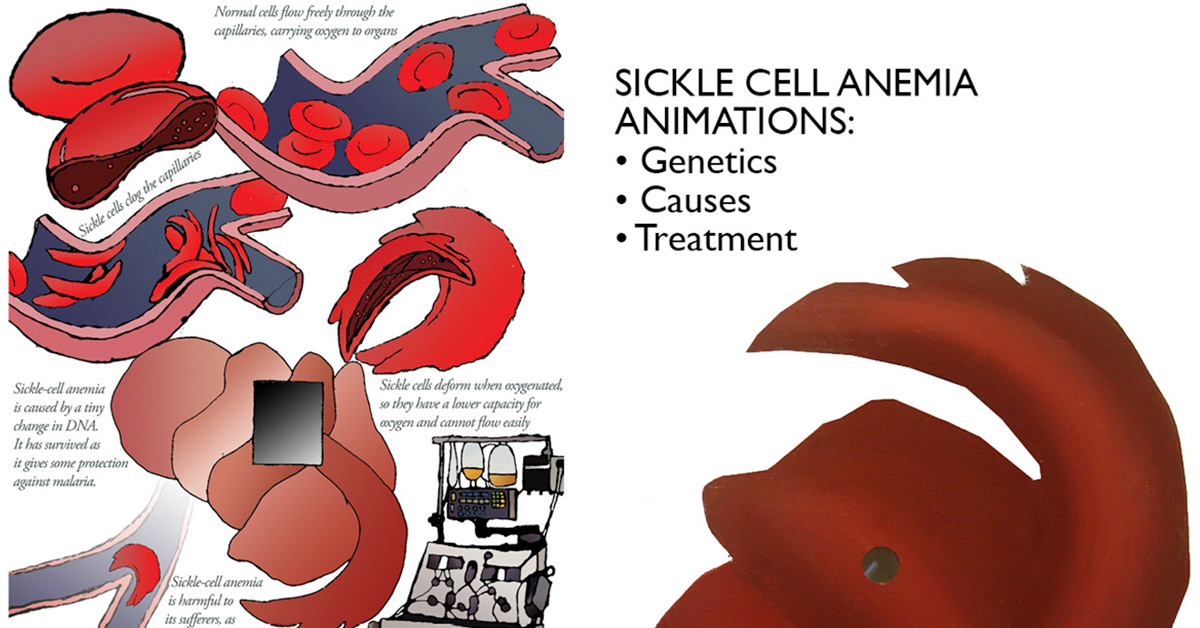
Students worked in groups to research and define an aspect of blood physiology, blood banking, or blood-related diseases before creating multimedia art pieces using what they had learned.
Students investigated the role of bees in our ecosystem, the various ways bees are being threatened, and wrote and performed plays about some aspect of what they had learned.
The core purpose of this project was for students to develop a connection to the natural world, and examine the role of pollinators, and re-plant a school garden.
Students explored the simplicity and limitless uses of a cardboard box and then built arcade games out of cardboard and other recycled materials.
In Storytellers of the Land, fifth graders read and wrote origin stories about animals and nature and teamed up with local conservation organizations to analyze thousands of trail camera photos of local wildlife.
Students explored how people use parks to connect to themselves, each other, and to nature while also learning about the stars on trips to these parks.
Students created art pieces and accompanying posters inspired by the quote “If a staircase goes somewhere, it is craft; if it goes nowhere, it’s art.”
Browse Projects
In Operation: Protect San Diego 2.0, students examined “What can the average San Diego citizen do to protect our local environment and its inhabitants?”
Students will become historians as they research the life of a “new American.”
How does the border affect the lives of people in the San Diego/Tijuana region?
In Free Your Mind: The Ultimate Escape Room, students designed escape rooms that would challenge participants’ implicit bias by incorporating content related to attitudes about age, race, gender, sexuality, and mental health in each escape room puzzle.
After learning that suicide was the second largest killer of young people, and the growing need for education about mental health, students partnered with families to discuss their loss of a loved one on camera for a student-run video and banner campaign.
In Ebola: Going Viral, our objective is to pose solutions to the Ebola outbreak in the United States by studying other infectious diseases.
What small scale systems are related to larger scale systems? In language and culture? In science?
Students read WWII novels, created plays based on them, and researched how chemistry has had an impact on warfare throughout the ages.